Reviewing OK Embroidery Design for Real Projects
As a designer who has spent countless hours staring at digitized files and watching needles punch through fabric, I have learned that simplicity is often the hardest thing to execute well. When I first loaded the OK Embroidery Design into my software, my initial reaction was one of cautious optimism. In a market flooded with overly complex, dense, and noisy patterns, a clean and simple design can be a breath of fresh air—but only if it holds up under the microscope of actual stitching.
This review is not just about whether the file opens correctly. It is about how this machine embroidery design performs when you are trying to build a reputation, satisfy a client, or create a handmade product that sells. I evaluated this asset with the mindset of a small business owner who cannot afford wasted thread, ruined garments, or disappointed customers.
First Impressions: Mood and Visual Personality
The OK Embroidery Design carries a distinct mood. It is approachable, modern, and undeniably cute without tipping into childishness. The layout relies on clear lines and balanced negative space, which is crucial for maintaining stitching clarity. When you look at the preview, you see a design that does not try to do too much. This restraint is vital for Clothing applications where fabric movement and texture play a huge role in the final appearance.
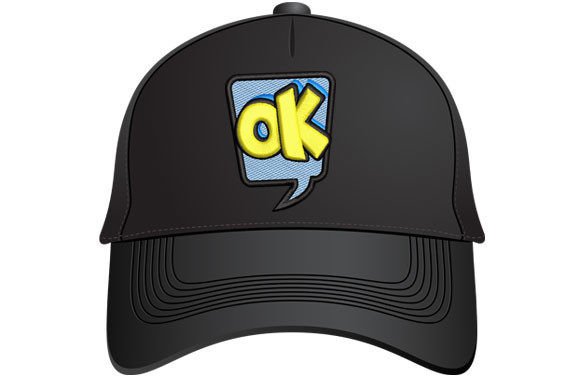
For Etsy sellers and creative entrepreneurs, visual personality is everything. This design fits naturally into the current trend of minimalist aesthetic and retro-inspired graphics. It feels at home on a canvas tote, a structured cap, or a soft baby onesie. The simplicity suggests confidence, which translates well into brand consistency for boutique owners who want their merchandise to look professional rather than cluttered.
Real-World Application: The Tote Bag Test
To truly understand the value of an embroidery file, you must imagine it in a specific context. I visualized using this design for a custom order of canvas tote bags. These are popular small shop products that require durable stitching because they carry weight and undergo frequent washing.
In this scenario, the OK Embroidery Design shines because of its manageable stitch density. Heavy, dense designs can cause canvas to pucker or distort, but a simpler layout allows the fabric to breathe. If I were producing these for a craft fair, I would pair the design with a high-contrast thread color to ensure the message pops against the natural beige of the cotton canvas. The result would be a personalized gift that looks intentional and high-quality, increasing buyer engagement and perceived value.
Versatility Across Product Types
Beyond totes, this design demonstrates strong versatility. Here is how it performs across different categories:
- Sweatshirt Embroidery: On fleece or French terry, the design remains crisp. The lack of excessive fine detail means it won’t get lost in the pile of the fabric.
- Baby Embroidery: For onesies or burp cloths, the soft, friendly vibe is perfect. However, always check the scale to ensure it is not too large for small garments.
- Embroidered Patch: This is an ideal candidate for cut-and-sew patches. The clean edges make it easier to trim and finish, creating a professional finished product.
- Holiday Embroidery: With the right thread colors, this can easily be adapted for seasonal gifts, adding a touch of whimsy to kitchen towels or aprons.
Technical Considerations and Fabric Challenges
While the design is forgiving, it is not immune to the laws of physics. As an experienced reviewer, I must point out where caution is needed. The performance of any digital embroidery file depends heavily on the substrate.
If you are working with stretchy fabric like jersey knits for t-shirts, you must use a proper stabilizer. Even a simple design can distort if the fabric shifts during stitching. For dark fabric, consider using a lighter thread color or testing a satin stitch border if the design allows, to ensure visibility. On textured fabrics like linen or waffle weave, the running stitch elements might sink into the weave, so a test run on scrap material is non-negotiable.
Curved surfaces, such as caps or hats, present another challenge. The hoop size must be appropriate, and the design should be centered carefully to avoid distortion near the seams. If the design includes any tiny lettering or detailed corners, inspect them closely in your software. Simplified designs often hide small imperfections, but they also rely on precision. A misaligned needle can ruin the clean look faster than it would a busy pattern.
Enhancing Product Value and Brand Trust
Why does this matter for your craft business? Because consistency builds trust. When a customer receives a custom apparel item with clean, well-executed embroidery, they associate that quality with your brand. The OK Embroidery Design supports this by offering a polished look that is easy to replicate across multiple items.
For commercial embroidery projects, speed and reliability are key. A design that stitches out quickly without constant thread breaks or trimming issues saves you time and money. This efficiency allows you to scale your production, whether you are fulfilling a large order for a local business or stocking up for the holiday rush.
Designer Notes for Best Results
Before you commit to a full production run, follow these practical steps:
- Test on Scrap Fabric: Always stitch a sample on the exact fabric type you plan to use. Check for puckering, thread tension, and coverage.
- Check Thread Contrast: View your design in black and white mockups. If it disappears, you need higher contrast between the thread and the fabric.
- Verify File Formats: The description mentions multiple embroidery file formats. Ensure you have the correct format for your specific machine model to avoid conversion errors.
- Review Licensing: Confirm whether the license allows for commercial use. If you are selling finished items or digital assets, you must know your rights.
- Assess Stitch Density: If the design feels heavy on your machine, consider adjusting the density settings in your software, provided you have the necessary editing tools.
Final Verdict
The OK Embroidery Design is a solid addition to any designer’s library. It is not flashy, but it is effective. It serves as a reliable workhorse for apparel decorators and makers who prioritize clean aesthetics and practical application. Whether you are creating a tote bag design for a local market or adding a subtle accent to a line of baby clothes, this design delivers consistent results.
Remember, the best design assets are those that make your job easier and your products better. This design achieves that balance. Just ensure you respect the technical requirements of your materials, and you will find it to be a valuable tool in your creative toolkit. For more insights on selecting the right Embroidery patterns for your niche, keep testing and refining your process. Your customers will notice the difference.