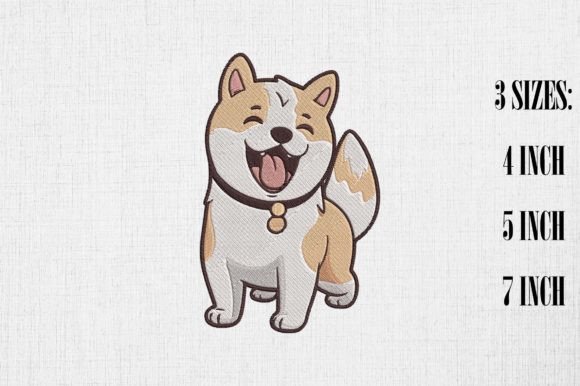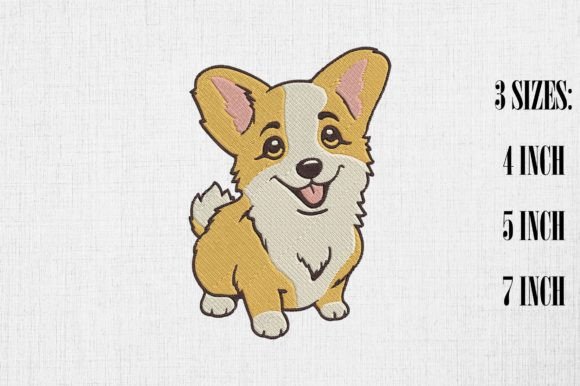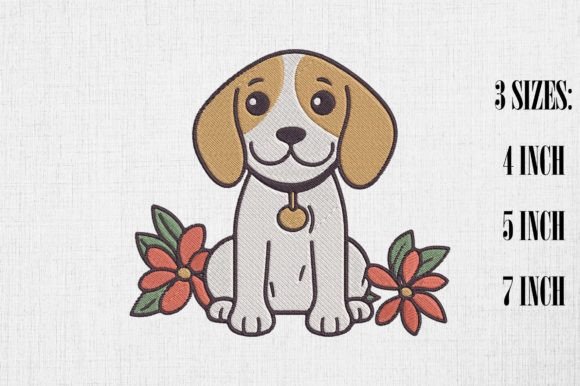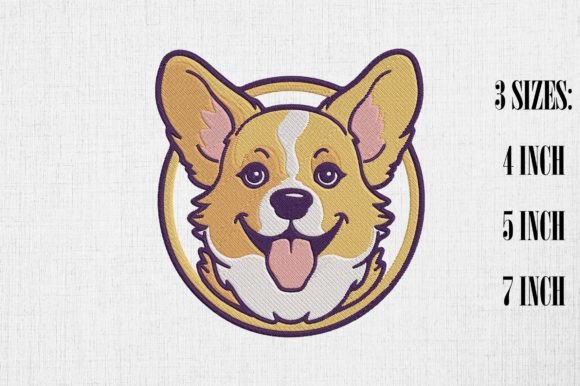
Reviewing the Cute Poodle Embroidery Design for Real Projects
As a designer who spends half my life staring at stitch maps and the other half troubleshooting tension issues on client garments, I approach every new machine embroidery design with a healthy dose of skepticism. We have all seen those digital previews that look flawless on screen but turn into a tangled mess of thread breaks and puckering on actual fabric. So, when I pulled up the Cute Poodle Embroidery Design, I wasn’t just looking for something adorable; I was looking for structural integrity, smart digitizing, and commercial viability.
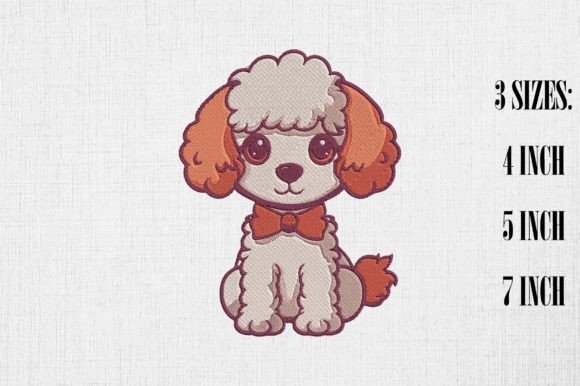
The first impression is undeniably charming. The silhouette captures that distinct, fluffy essence of a poodle without relying on excessive complexity that often plagues animal motifs. For those of us in the craft business, visual appeal is the hook, but stitching clarity is what keeps customers coming back. This design strikes a balance between playful character and technical feasibility, making it a strong candidate for a variety of embroidery projects.
Visual Personality and First Impressions
The mood this design creates is light, whimsical, and approachable. It does not try to be hyper-realistic, which is a smart move for machine embroidery. Hyper-realism often requires such high stitch density that it becomes stiff and prone to distortion on softer fabrics. Instead, this poodle relies on clean lines and well-placed fill areas to suggest texture. The layout feels balanced, with no awkward negative spaces that might leave the fabric looking unfinished.
For an Etsy seller or small shop owner, this visual personality is gold. It fits seamlessly into the current trend of cute, minimalist pet decor. Whether you are branding a line of baby items or creating personalized gifts for dog lovers, the design communicates warmth instantly. It feels like a personalized gift waiting to happen, rather than a generic clipart slapped onto a shirt.
Real-World Application: The Tote Bag Test
To truly evaluate a design, you have to imagine it in motion. I recently considered using this poodle for a custom order involving canvas tote bags. This is a classic tote bag design scenario where the fabric is sturdy, but the surface area is large enough to demand a design with presence. The poodle’s proportions worked beautifully here. It was large enough to be seen from a distance but detailed enough to hold interest up close.
Beyond totes, I can see this thriving as sweatshirt embroidery. The softness of fleece or cotton blends pairs well with the playful nature of the motif. However, placement is key. On a curved surface like a cap or a rounded shoulder seam, you must ensure the design does not distort. For flat applications like aprons, pillow covers, or kitchen towels, the design sits naturally without fighting the fabric’s grain.
Versatility Across Product Lines
The description notes that you can embroider this design on clothes, baby’s onesies, home decor, t-shirts, tablecloths, kitchens, towels, and more. This versatility is accurate, but it requires adjustment in your approach. For baby embroidery, such as onesies or bibs, the charm factor is high. Parents love pet themes, and a poodle is universally recognized. However, baby skin is sensitive, so you must ensure the back of the stitching is clean. Using a soft cut-away stabilizer and trimming excess threads meticulously is non-negotiable here.
For home decor, think beyond the obvious. A set of tea towels with a small poodle in the corner adds a boutique touch to a kitchen. A pillow cover with a larger version of the design can anchor a nursery theme. The key is consistency. If you are building a brand, using this same embroidery file across different products helps create brand recognition. Customers begin to associate that specific cute poodle with your quality and style.
Technical Considerations and Fabric Challenges
While the design is robust, it is not immune to the laws of physics. Here is where my experience as a reviewer comes in. You must consider where this design might struggle.
- Stretchy Fabrics: If you are applying this to a stretchy t-shirt or jersey, standard stabilizers may not be enough. The weight of the stitches can cause the fabric to pucker around the edges. I recommend using a high-quality cut-away stabilizer and possibly hooping the garment with a backing to keep it taut.
- Dark Fabrics: Thread color contrast is critical. If you are stitching a light-colored poodle on a dark navy sweatshirt, you might need to adjust your thread palette or add a subtle underlay to prevent the background fabric from peeking through the lighter satin stitches.
- Small Hoop Sizes: Check the dimensions before purchasing. If you only have a 4x4 hoop, ensure the design fits without scaling it down so much that the details merge into a blob. Tiny details do not survive aggressive downscaling.
- Textured Fabrics: On highly textured fabrics like terry cloth towels, fine details can get lost. This design seems to have bold enough shapes to hold up, but always run a test stitch on scrap fabric first.
Enhancing Product Value and Customer Trust
Why does this matter for your bottom line? Because a well-executed finished product builds trust. When a customer receives a handmade product that looks professional, with clean edges and no loose threads, they perceive higher value. This design supports that perception because it is not overly complex, reducing the risk of user error during stitching.
For commercial embroidery projects, consistency is king. If you are producing fifty units for a local boutique, you need a design that stitches out the same way every time. The Cute Poodle Embroidery Design appears to have a logical stitch path that minimizes jumps and trims, which speeds up production time and reduces wear on your machine.
Practical Designer Notes for Best Results
Before you list this as a small shop product or use it in a client project, follow these steps:
- Test on Scrap Fabric: Never skip this. Stitch the design on the exact type of fabric you plan to use for the final product. Check for puckering, thread breaks, and coverage.
- Check Thread Colors: Do not rely solely on the default color map in your software. Customize the thread colors to match your brand palette or the specific garment color. A well-chosen palette can elevate a simple design into a premium design asset.
- Inspect Small Details: Zoom in on the digitizing view. Look for dense areas that might cause needle heat or breakage. If you see clusters of satin stitches, consider breaking them up with running stitches if your software allows editing.
- Confirm Licensing: The description mentions this comes with multipurpose options, but always verify the license terms. Can you sell the physical embroidered items? Can you resell the digital file? Clarify this before investing time in marketing.
- Mockup Testing: Create printable mockups or digital previews showing the design on different backgrounds. This helps you visualize how the thread colors interact with various fabric textures before you commit to production.
In the world of Dogs and Embroidery, there is no shortage of designs. But finding one that balances cuteness with technical reliability is rare. The Cute Poodle Embroidery Design offers a solid foundation for creators who want to produce high-quality, marketable goods. It is not just a picture of a dog; it is a tool for building your craft business. Treat it with the respect it deserves, test it thoroughly, and it will likely become a staple in your portfolio of reliable, best-selling items.