Reviewing Gingerbread House Embroidery Paper for Real Projects
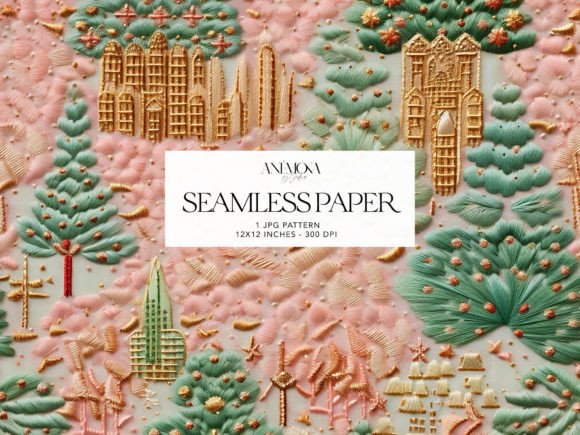
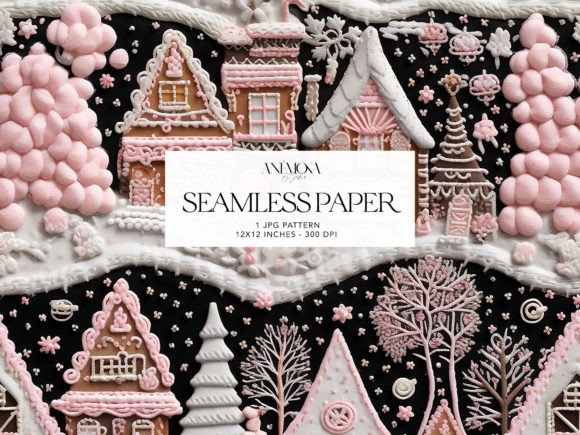
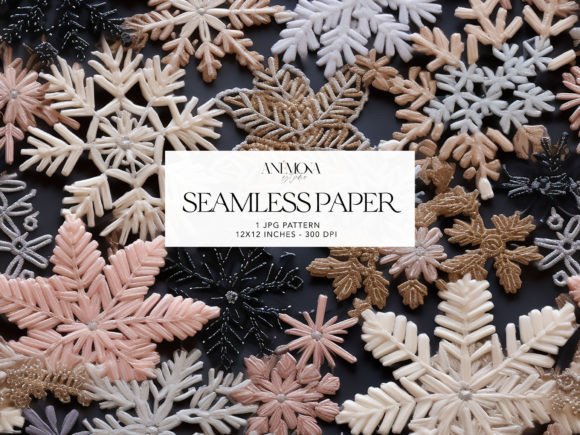
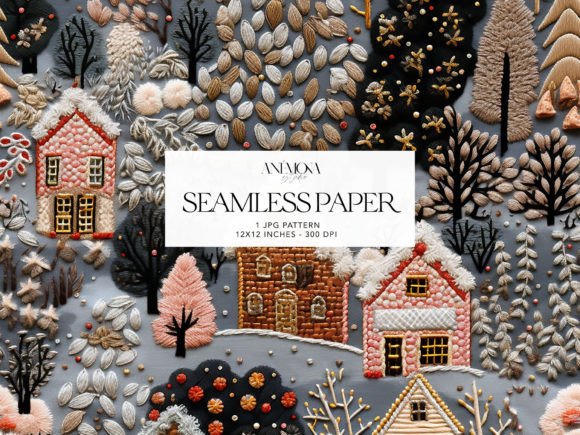
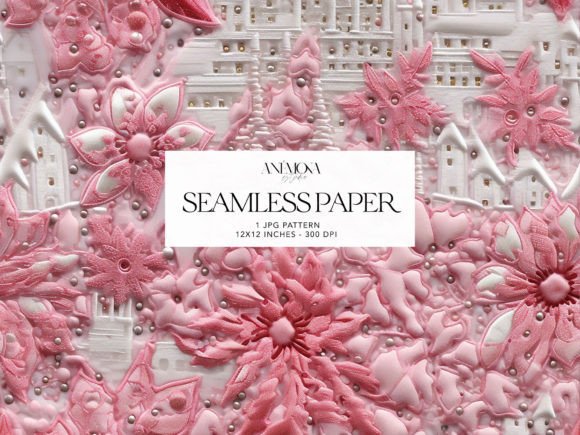
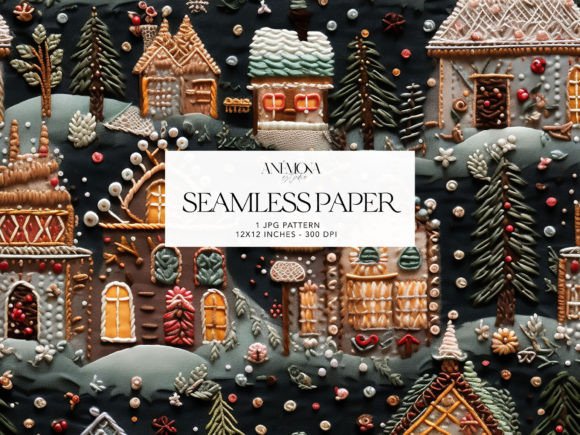
As a designer who spends half my life staring at stitch files and the other half testing them on actual fabric, I have learned that not every cute illustration translates well to thread. When I first encountered Gingerbread House Embroidery Paper, my initial reaction was curiosity mixed with professional skepticism. This is not a traditional digitized embroidery file in the sense of a DST or PES format ready for your machine’s needle. Instead, it is a high-resolution digital asset—a faux embroidery graphic designed by Anemona Estudio. Understanding this distinction is critical before you plan your next embroidery project.
The product delivers a seamless JPG at 300 dpi, sized at 12x12 inches (3600px). For those of us in the craft business, this resolution is the gold standard for print-on-demand and high-quality digital mockups. But how does it hold up when we try to use it as a reference for stitching or as a visual element in our design assets? Let’s break it down from the perspective of someone who needs to deliver a flawless finished product to a paying customer.
First Impressions: Mood and Visual Personality
The immediate vibe of this Patterns category item is cozy, nostalgic, and distinctly holiday-focused. The "faux embroidery" style mimics the texture of thread without the technical headaches of actual stitching. This is a double-edged sword. On one hand, it offers a charming, handmade aesthetic that resonates deeply with buyers looking for personalized gift ideas. On the other hand, if you are planning to stitch this design out physically, you cannot simply send this JPG to your embroidery machine. You must use it as a visual guide or a printed transfer.
The layout is balanced, with a whimsical gingerbread house structure that feels approachable rather than overly intricate. For an Etsy seller creating holiday cards or printable wall art, this is perfect. The Graphics quality is sharp, meaning the edges of the "stitches" remain clean even when scaled down for small tags or up for large posters.
Real-World Application: From Screen to Stitch
Let’s consider a real-life scenario. Imagine you are preparing a custom tote bag design for a local holiday market. You want the bag to feature a festive gingerbread motif. If you use Gingerbread House Embroidery Paper as a printed transfer, you can trace the outline onto your canvas tote. However, because this is a raster image and not a vector or digitized path, you will need to manually interpret the "stitch" directions.
This is where your experience as a designer matters. The image suggests a mix of satin stitch borders and fill stitch interiors. When translating this to actual thread, you must decide on your thread colors. The RGB values in the digital file are vibrant, but thread reflects light differently. I recommend pulling physical thread swatches against the printed image to ensure your reds don’t look brown under store lighting. This step is crucial for maintaining brand consistency and ensuring your small shop product looks professional, not amateurish.
For sweatshirt embroidery, the stakes are higher. A thick fleece can distort fine details. Since this design relies on the illusion of texture, stitching it densely might create a stiff patch that feels uncomfortable against the skin. In this case, using the image as inspiration for a simplified applique design might be smarter. You could cut felt shapes for the house and roof, then use a running stitch or zigzag to secure them, mimicking the faux-embroidery look with far less stitch density.
Navigating Technical Constraints
There are specific situations where you need to exercise caution. If you are working on baby embroidery, safety and comfort are paramount. Dense stitching on a onesie can irritate sensitive skin. Because Gingerbread House Embroidery Paper depicts a highly textured surface, replicating that literally with thread requires careful management of your stabilizer. A cut-away stabilizer might be necessary to prevent puckering, especially if you are using stretchy fabrics.
Additionally, consider the hoop size. The 12x12 inch digital canvas allows for flexibility, but your machine’s hoop limits your physical output. If you are stitching this on a cap or a curved surface like a mug wrap, the detailed corners of the gingerbread house might get lost or distorted. Always test the design on scrap fabric first. Check how the small details hold up. If the "faux" stitches in the digital image are too tiny to replicate with a standard needle, simplify them. Your goal is to capture the spirit of the design, not necessarily every pixel.
Commercial Value and Buyer Engagement
Why does this matter for your bottom line? In the world of commercial embroidery and handmade goods, presentation is everything. Using high-quality printable mockup resources like this allows you to showcase your products online before you even stitch a single thread. You can place the gingerbread graphic on a digital photo of a pillow cover or tea towel to gauge customer interest. This reduces waste and helps you validate designs quickly.
Furthermore, the aesthetic of faux embroidery is trending. It appeals to customers who love the look of handcrafted items but may not understand the technical limitations of machine stitching. By using Gingerbread House Embroidery Paper in your marketing materials or as part of a hybrid craft project (like combining printing and stitching), you enhance the giftability of your items. It signals attention to detail and a cohesive visual story.
Practical Designer Notes
- Check Licensing: Before selling any finished product or using this in commercial work, confirm the license terms with Anemona Studio. Digital assets often have different rules for personal vs. commercial use.
- Contrast is Key: Test the design in black and white. If the details disappear in grayscale, they will likely get lost in low-contrast fabric combinations.
- Fabric Texture Matters: This design works best on smooth, tight-weave fabrics like cotton twill or linen. Avoid loose weaves where the "stitch" illusion might blur into the fabric grain.
- Mockup Versatility: Use the seamless nature of the JPG to create repeating patterns for wrapping paper or fabric prints, expanding your design assets library beyond just single motifs.
In conclusion, Gingerbread House Embroidery Paper is a versatile tool for the modern maker. It bridges the gap between digital convenience and tactile charm. Whether you are an apparel decorator looking for fresh holiday motifs or a digital product seller creating new card templates, this asset offers significant value. Just remember to respect the difference between a visual representation and a machine-ready file, and always prioritize the physical realities of thread and fabric in your final execution.