Reviewing Embroidery Bear Tumbler Wrap for Stitchers
As an embroidery designer who spends half my life digitizing and the other half staring at hoop marks on my kitchen table, I approach new design assets with a healthy dose of skepticism. We are constantly hunting for that perfect motif to elevate our handmade product lines, whether we are selling on Etsy or fulfilling custom orders for local boutiques. Recently, I came across a listing titled Embroidery Bear Tumbler Wrap on Creative Fabrica. At first glance, the title suggested a sublimation or print template, which is not typically my domain. However, in the world of mixed-media crafting and digital asset repurposing, understanding how these graphics translate to thread is crucial for modern makers.
First Impressions and Visual Mood
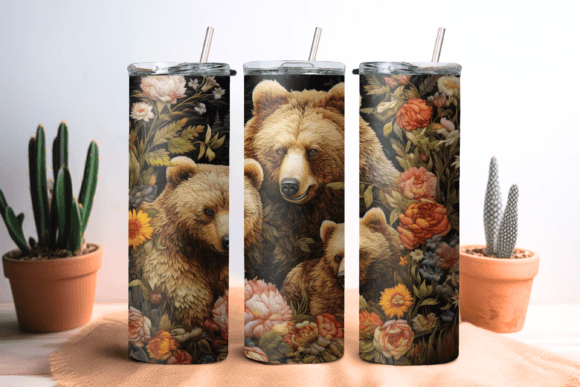
The initial visual impact of this asset is undeniably charming. The design features a whimsical bear motif that exudes warmth and playfulness. For those of us working in Creative Fabrica embroidery circles, we know that cuteness sells, but clarity is king. The graphic is described as being upscaled AI-generated art, provided in two PNG formats at 300 DPI. While this is categorized under Print Templates and Graphics, the high resolution suggests it could serve as a robust reference for manual digitizing or as a base for applique work.
The mood is soft and inviting, making it an excellent candidate for nursery decor, baby items, or cozy seasonal gifts. The detail level appears moderate, which is a double-edged sword in embroidery. Too much detail can lead to thread breaks and frustration, while too little can look amateurish. This design seems to strike a balance that would work well if interpreted correctly into stitch data.
Translating Graphics to Thread
It is important to clarify that this product provides PNG files, not a native machine embroidery file like PES or DST. This means you cannot simply load it onto your machine and hit start. For an experienced embroiderer, this is an opportunity rather than a limitation. You can use this graphic as a template for creating a custom applique design. By printing the PNG at the correct scale, you can trace the outline for your fabric placement and then digitize the border using a satin stitch or running stitch for a clean finish.
If you are considering using this for custom apparel or tote bags, think about how the bear’s features will translate. Areas of solid color in the PNG will need to be filled with appropriate stitch types. A fill stitch might be necessary for the body of the bear, while finer details like eyes or noses might require careful satin stitching. Always check the stitch density when you digitize; AI-generated images can sometimes have complex gradients that do not translate well to thread without simplification.
Practical Applications for Makers
Where does Embroidery Bear Tumbler Wrap fit in a real-world production schedule? Despite its name suggesting tumbler wraps, the square-ish dimensions (9.3 x 8.2 inches) make it versatile for flat goods. Imagine this design stitched onto a canvas tote bag design for a baby shower gift. The bear motif pairs beautifully with pastel thread colors, creating a personalized gift that feels thoughtful and high-end.
For sweatshirt embroidery, this design could be placed on the back yoke or centered on the chest. However, given the size, you must consider the hoop limitations. A 9.3-inch width requires at least a 10x10 or larger hoop. If you are working with smaller hoops, you may need to split the design, which is not recommended for this type of continuous graphic. Alternatively, use it as a large patch. Create an embroidered patch by stitching the design onto felt or twill, cutting it out, and then attaching it to caps or jackets. This method bypasses issues with stabilizing stretchy fabrics directly.
Navigating Technical Challenges
When adapting any graphic from a Print Template category into embroidery, technical precision is non-negotiable. Since the product description notes that the files are not seamless, you must be mindful of edges if you plan to tile them, though for a single bear motif, this is less relevant. The primary challenge lies in the translation of AI-generated nuances. AI art can include subtle shading that looks beautiful on paper but creates muddy results in thread.
To mitigate this, simplify the color palette. Choose high-contrast thread colors that stand out against your fabric. If you are stitching on dark fabric, ensure your design has enough brightness or use a white underlay to prevent the background from showing through. For textured fabric like towels or fleece, increase your stitch density slightly to ensure coverage, but be wary of puckering. Always use the proper stabilizer; a cut-away stabilizer is often best for garments that will undergo frequent washing, ensuring the finished product maintains its shape.
Enhancing Product Value and Branding
Incorporating unique motifs like this bear can significantly boost your brand consistency. If your shop specializes in whimsical, nature-inspired, or child-friendly items, this design aligns perfectly with that aesthetic. High-quality presentation is key. When photographing your commercial embroidery pieces, ensure the lighting highlights the texture of the stitches. A well-executed applique based on this graphic can become a signature item in your store, driving customer engagement and trust.
Buyers appreciate attention to detail. If you use this graphic as a basis for a digital embroidery file that you sell, or if you sell the physical stitched item, transparency about the process adds value. Explain that the design was carefully digitized to ensure durability and washability. This builds buyer trust and justifies a higher price point compared to mass-produced alternatives.
Final Verdict and Best Practices
Before you download or purchase, always review the specific license terms on the Creative Fabrica product page. Since this is listed under Graphics and Print Templates, confirm if commercial use for physical goods is permitted. Assuming it is, here is my advice for best results:
- Test on scrap fabric: Never stitch your final product first. Run a test to check tension and thread breaks.
- Check file details: Verify the 300 DPI resolution is sufficient for your intended print or digitizing size.
- Simplify for stitching: Do not try to replicate every pixel. Adapt the design to suit the capabilities of your machine and the properties of thread.
- Consider the end use: If it is for a baby blanket, ensure all edges are secure and no small parts can be pulled off.
In conclusion, Embroidery Bear Tumbler Wrap is a versatile graphic asset that, with the right technical approach, can be transformed into stunning embroidered goods. It is not a plug-and-play solution for machine embroidery, but for designers willing to put in the digitizing work, it offers a charming foundation for high-quality handmade products. Whether you are creating patches, apparel, or home decor, this bear has the potential to become a beloved staple in your creative inventory.