Funny Egg Embroidery: A Designer’s Review for Small Business Merch
As an embroidery designer who has spent years digitizing files and consulting with small business owners, I approach every new machine embroidery design with a critical eye. It is not just about whether a motif looks cute on a screen; it is about how that design performs in the real world of commercial production. Recently, I reviewed Funny Egg Embroidery, a digital file marketed as a cool and simple addition to various accessories. For boutique owners, Etsy sellers, and local brands looking to elevate their small business merch, understanding the practical application of this design is crucial before committing to bulk production.
First Impressions: Balancing Playfulness with Professionalism
The immediate visual impact of Funny Egg Embroidery is one of approachable charm. In the crowded marketplace of handmade goods, standing out requires a distinct visual personality. This design leans heavily into a playful, friendly aesthetic. It does not try to be overly ornate or classical. Instead, it offers a modern, decorative touch that feels authentic to the current trend of whimsical branding. For businesses in the creative sector—such as bakeries, florists, pet brands, or independent coffee shops—this vibe can be a powerful tool. It signals to customers that the brand is human, accessible, and fun.
However, "simple" in embroidery terms is often a double-edged sword. A simple design must rely on clean lines and perfect spacing to avoid looking amateurish. Upon initial inspection, this embroidery file appears to prioritize clarity. The lack of excessive detail suggests it was designed with versatility in mind, aiming to remain legible even when scaled down for smaller applications like pocket logos or hat fronts.
Real-World Applications for Branded Merchandise
When evaluating a design for commercial embroidery, I always ask: where does this live best? Funny Egg Embroidery shines in specific contexts within the Accessories and apparel categories. Here is how I envision it performing in a professional setting:
- Embroidered Patches: This is perhaps the strongest use case. A patch allows for controlled hooping and stable stitching. The design’s simplicity means it will hold up well on twill or felt backings, creating a durable asset that customers can iron or sew onto jackets and bags.
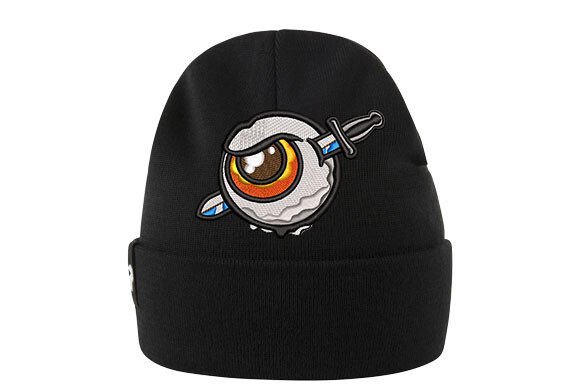
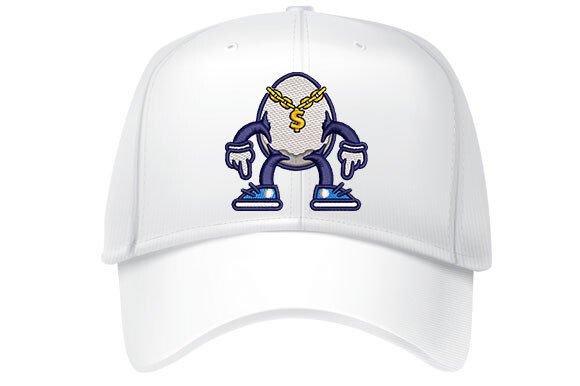
- Cap Embroidery: Front-panel caps require designs that are not too wide or too dense. Because this design is described as simple, it likely avoids the puckering issues common with complex fills on curved surfaces. It works excellently as a central focal point on dad hats or beanies.
- Tote Bag Design: Canvas tote bags are a staple for eco-conscious brands. The bold nature of this motif ensures it remains visible against the textured weave of canvas fabric, adding value to what is often a low-cost promotional item.
- Apron Embroidery: For cafes and studios, branded aprons create a unified team look. Placing this design on the chest or hip of an apron adds a touch of personality without overwhelming the uniform.
Using this design on custom apparel like t-shirts can also drive engagement. When used as a chest accent rather than a massive back print, it feels more like a premium brand mark and less like a billboard. This subtlety often increases the perceived value of the finished product.
Technical Considerations and Production Notes
While the aesthetic appeal is clear, technical execution determines profitability. As a designer, I advise caution in several areas when using Funny Egg Embroidery. First, consider the stitch density. Simple designs sometimes compensate with heavy satin stitches. If the density is too high for the chosen fabric, you risk perforation or stiffness. Always test on a scrap piece of your actual production material.
Second, think about thread colors and contrast. On dark uniforms or navy caps, a light-colored thread is essential for visibility. However, if the design relies on subtle shading, it may get lost on dark fabrics. I recommend running a test in black and white first. If the shape holds its integrity without color reliance, the digitizing is solid. If it becomes a blob, you may need to adjust underlay settings or choose higher-contrast threads.
Another critical factor is hoop size. Ensure the design fits comfortably within your standard hoop dimensions without requiring excessive re-hooping, which slows down production time. For small patches, verify that the smallest elements do not become indistinguishable. Tiny details can get eaten by the needle or lost in the fabric texture.
Stabilizer and Fabric Texture
The success of any digital embroidery file depends heavily on stabilization. For stretchy fabrics like jersey t-shirts, a cut-away stabilizer is non-negotiable to prevent distortion. For woven materials like tote bags or caps, a tear-away might suffice, but a heat-seal backing could provide extra security for washability. Always match the stabilizer to the fabric texture and the intended lifespan of the item.
Impact on Brand Identity and Customer Trust
Beyond the stitch count, we must consider the strategic value. Consistent use of unique design assets like Funny Egg Embroidery helps build brand identity. When a customer sees the same quirky, well-executed motif on your packaging, your social media printable mockup, and their purchased hoodie, it creates a cohesive narrative. This consistency builds trust. It shows that you care about the details, from the digital file selection to the final stitch.
For Etsy sellers and crafters, offering items with this design can differentiate your shop from competitors using generic clipart. It positions your handmade product as curated and intentional. Customers are increasingly drawn to brands that feel personal and authentic. A well-placed embroidered logo acts as a seal of quality, enhancing the unboxing experience and encouraging repeat business.
Final Verdict for Business Owners
Before integrating Funny Egg Embroidery into your inventory, take these practical steps. Create a printable mockup to visualize scale. Compare it beside your other design assets to ensure visual harmony. Most importantly, confirm the commercial licensing terms. Since this is a digital embroidery file intended for business use, you must ensure you have the right to sell products made with it. Check the provider’s documentation for any restrictions on volume or platform usage.
In summary, this design offers a strong balance of charm and usability. It is best suited for brands that want to project a friendly, modern image through high-quality Embroidery work. By paying attention to technical details like stabilizer choice and thread contrast, you can transform this simple file into a profitable component of your small business merch strategy. Whether used on a cap, a tote, or a patch, it has the potential to become a recognizable symbol of your brand’s unique personality.