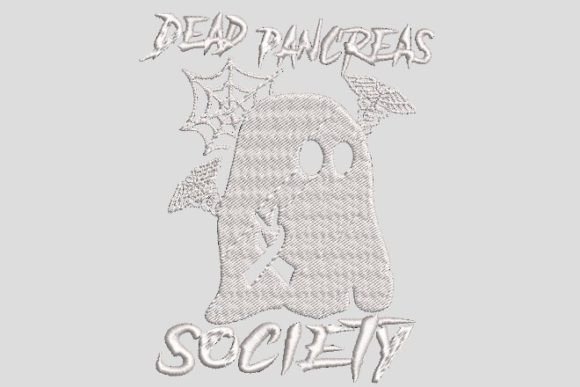
Dead Pancreas Society Embroidery File Review
As an embroidery designer who has spent years refining digitizing techniques for boutique apparel, I approach every new machine embroidery design with a critical eye. It is not just about whether the file runs smoothly; it is about whether the final finished product elevates the brand identity of the client. Recently, I had the opportunity to test the Dead Pancreas Society Embroidery File for a limited-edition sweatshirt drop intended for a small online shop specializing in quirky, seasonal streetwear. This review breaks down how this specific embroidery file performs in a real-world commercial setting, focusing on aesthetics, technical execution, and marketability.
First Impressions and Aesthetic Mood
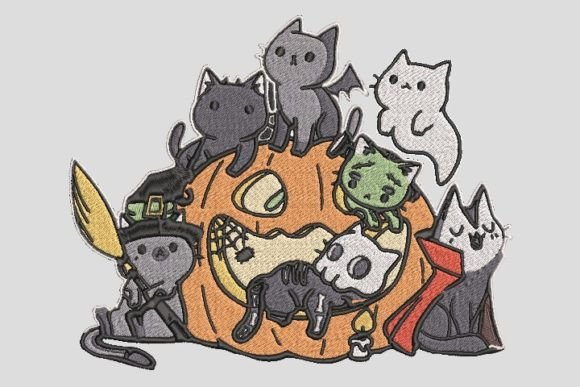
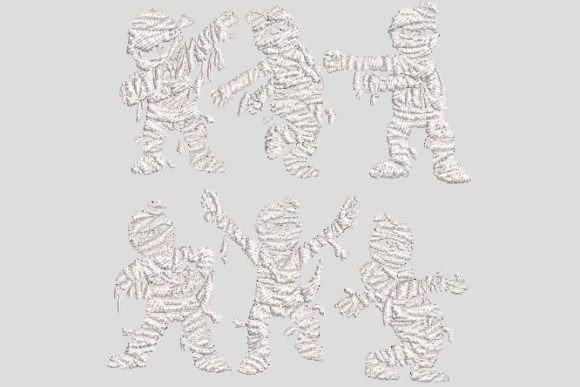
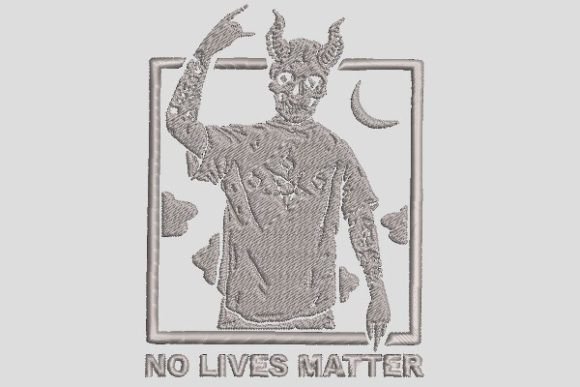
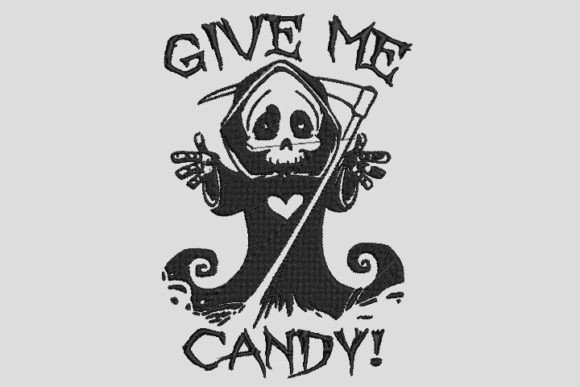
The moment I loaded the Dead Pancreas Society Embroidery File into my digitizing software, the layout struck me as intentionally bold yet playful. The title suggests a dark humor theme, which aligns perfectly with modern Halloween trends that move beyond traditional spooky motifs into ironic, lifestyle-oriented graphics. For a boutique brand, this distinction is crucial. The design does not feel cheap or overly cartoonish; instead, it carries a decorative weight that feels premium when scaled correctly.
In terms of mood, the design balances between cute and bold. It is not minimalist, but it is not cluttered either. The stitching personality appears robust, suggesting that the digitizer prioritized coverage and clarity. When visualizing this on neutral sweatshirts, such as heather grey or oatmeal, the design pops without overwhelming the fabric. On darker fabrics like charcoal or black, the contrast becomes a key consideration. If the thread colors are not carefully selected, details can get lost. However, the structural integrity of the design seems strong enough to hold up even with high-contrast color choices, making it versatile for various aesthetic directions.
Application on Sweatshirts and Hoodies
The primary use case for this project was sweatshirt embroidery, specifically on oversized, cozy seasonal apparel. I tested the design in three distinct placements to gauge its versatility for a small shop product line.
- Chest Placement: Positioned on the left chest, the design acts as a subtle brand marker. It feels exclusive and tailored, appealing to customers who prefer understated style. The scale here must be precise to ensure readability without looking like a corporate logo.
- Center Chest: For a bolder statement, centering the Dead Pancreas Society Embroidery File creates a focal point. This works exceptionally well on pastel colors or muted tones, giving the garment a vintage, thrifted vibe that is highly popular among Etsy buyers.
- Sleeve Accents: I experimented with placing a scaled-down version on the sleeve. This adds a unique touch to custom apparel, transforming a basic hoodie into a collector’s item. It requires careful attention to hoop placement and stabilizer choice due to the curved surface.
When considering hoodie design elements, the thickness of the fabric plays a significant role. Sweatshirts often have a textured fleece interior, which can cause puckering if the stitch density is too high. From my initial assessment, this design appears to have a balanced density that should sit flat on medium-to-heavyweight cotton blends, provided the correct stabilization is used.
Technical Considerations for Commercial Use
For any Etsy seller or apparel decorator, technical reliability is non-negotiable. Before running a full production batch, there are several practical concerns to address with the Dead Pancreas Society Embroidery File.
First, stabilizer selection is critical. For fuzzy sweatshirt fabrics, a cut-away stabilizer is generally recommended to provide long-term support and prevent distortion after washing. Since this is intended for commercial embroidery, durability is key. The design must withstand repeated wash cycles without thread breakage or fabric pulling. The stitch paths in this file seem logical, minimizing jumps and trims, which reduces production time and potential error points.
Second, consider the hoop size required. While the exact dimensions are not specified in the brief description, designers must verify that the design fits within their standard hoops, typically 4x4 or 5x7 inches for chest placements. If the design is large, ensuring it fits without resizing—which can distort stitch density—is essential. Always check the included file formats to ensure compatibility with your specific machine brand.
Third, thread color contrast can make or break the visual impact. For a Halloween-themed project, traditional orange and black are obvious choices, but experimenting with muted earth tones or pastels can create a more sophisticated, year-round appeal. The design’s detail level allows for creative color blocking, which can enhance the fabric texture rather than fighting against it.
Boosting Brand Value and Customer Engagement
Integrating the Dead Pancreas Society Embroidery File into a collection does more than just decorate a garment; it enhances brand identity. In the competitive landscape of handmade products, unique design assets set a custom apparel line apart. This design’s quirky name and visual appeal invite curiosity, fostering customer engagement. Buyers are not just purchasing a sweatshirt; they are buying into a narrative.
For marketing purposes, this design lends itself well to lifestyle product photography. Imagine a cozy scene with a model wearing the embroidered hoodie, holding a pumpkin spice latte, surrounded by autumn leaves. Such imagery creates an emotional connection, driving sales. Additionally, using a printable mockup featuring this design can help visualize the final product for online listings, reducing return rates by setting accurate expectations.
The versatility of the file also extends beyond apparel. As noted, you can use it to create a variety of Halloween-themed projects, including apparel, home decor, tote bags, and accessories. This multi-product potential allows small businesses to maximize their return on investment for a single digital embroidery file. Whether applied to a canvas tote or a decorative pillow, the design maintains its charm and structural integrity.
Final Verdict for Designers
The Dead Pancreas Society Embroidery File is a strong contender for boutiques looking to add personality to their seasonal offerings. It bridges the gap between playful novelty and premium craftsmanship. However, success depends on execution. Designers must pay close attention to fabric preparation, stabilizer choice, and thread quality. Before committing to a large run, always stitch out a test sample on the actual garment material to fine-tune tension and density.
Remember, while this review covers aesthetic and general technical aspects, specific technical details such as exact stitch count, available file formats, and license terms are not provided in the initial description. It is vital to check these details before production to ensure the file meets your machine’s requirements and your business’s licensing needs. When used correctly, this design can significantly elevate the perceived value of your handmade product, turning a simple sweatshirt into a standout piece in your collection.